
Embrace Your Illness
The role of the mind and nervous system in autoimmune healing
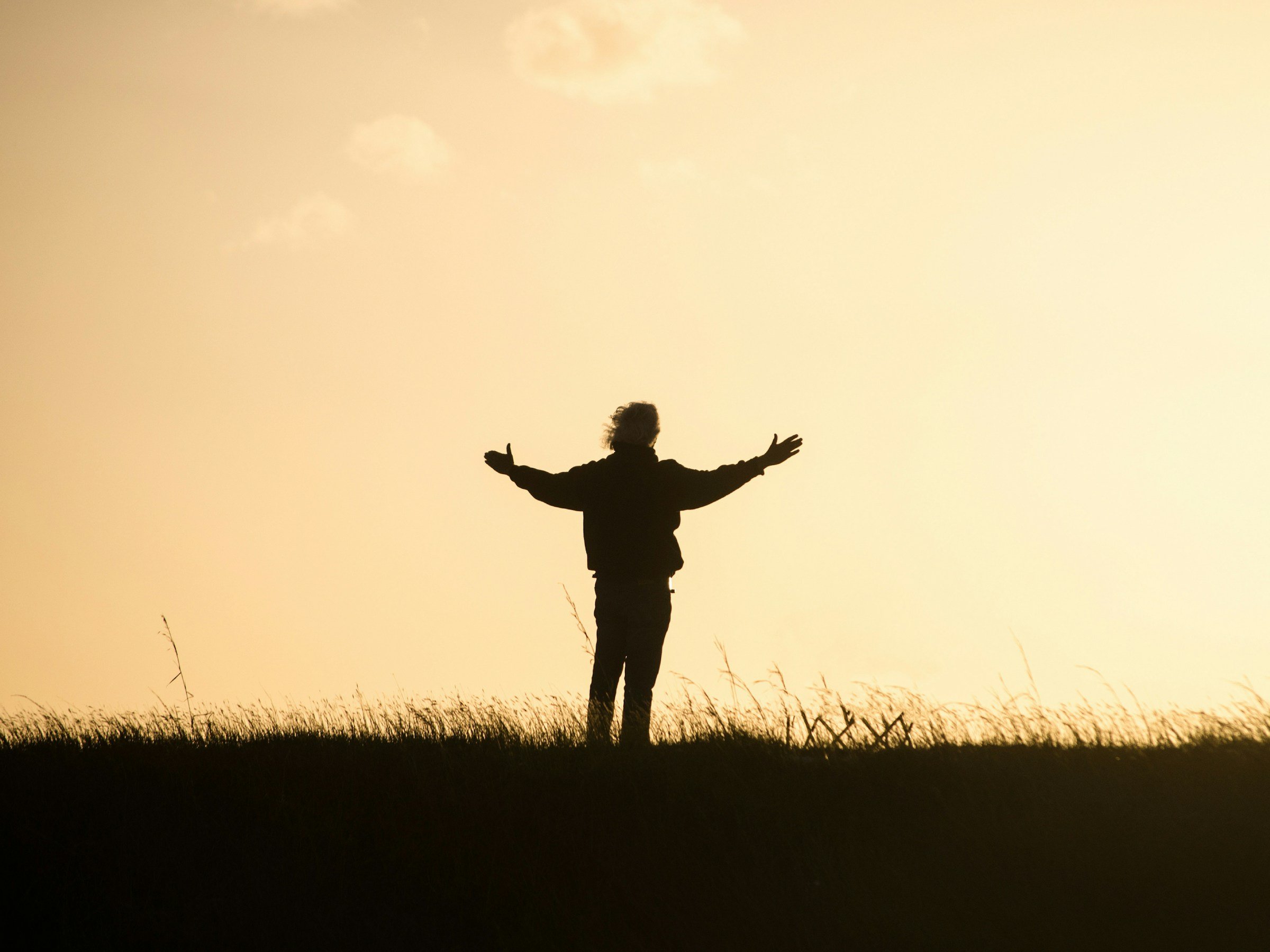
If we want to take the first step toward autoimmune healing, we must change our relationship with our autoimmune illness. Imagine if instead of being burdened by our symptoms, we saw them differently. What if pain, suffering, and discomfort were not immediately rejected, but allowed into our experience with curiosity and openness?
The most natural reaction to autoimmune symptoms is resistance. We fight them. We don’t want to feel pain. We don’t want our bodies to change. We don’t want to adjust our lives, our diets, or our routines because of an illness we never asked for.
But with autoimmune disease, resistance often comes at a cost. Because the body is already attacking itself, fighting our symptoms internally can create even more friction. Psychologically pushing against what’s happening inside us can amplify stress, tension, and inflammation — deepening the very suffering we’re trying to escape.
This shift from fighting to welcoming is not just mental — it’s physiological.
The immune system is deeply influenced by the nervous system, and the nervous system is constantly responding to how we meet discomfort. When symptoms arise and we tense, brace, or panic, the body receives a signal of threat. Stress hormones rise, muscles tighten, and inflammation is reinforced. When we soften, breathe, and allow what is here — even imperfectly — the body receives a different message: safety. Over time, these signals shape how the immune system behaves and supports nervous system regulation and immune balance. Embracing our illness is not giving up; it is changing the internal conditions in which regulation and healing become possible.
When we practice embracing our symptoms — welcoming them rather than bracing against them — we may not immediately remove pain or discomfort. But we begin to remove suffering from the experience. If we can meet even the most difficult aspects of our illness with acceptance, and relate to our symptoms like we might an old friend we didn’t choose but have learned to understand, we give the body something essential: space. And kindness. Under the right conditions, the body knows how to heal.
As this practice deepens, something surprising begins to happen. Symptoms that once felt only like enemies start to reveal themselves as teachers. We notice less resistance not just to illness, but to life itself — to the irritating neighbor, the unexpected loss, the hardships we cannot control. We begin to live more harmoniously in a world that includes pain and conflict.
Autoimmune illness, approached this way, can shape us into more patient, compassionate, and resilient human beings. This is not because the illness is good — but because of what becomes possible when we stop fighting ourselves. This is what we mean when we say our autoimmune illness can really be a gift.
How do we welcome the most unpleasant things in?